
So we moved here last August and I’m just now getting around to posting updates on work we’ve done over the course of the last year. I’m trying to start with the first projects and move back through them chronologically, but we’ll see how that goes!Te
Terracing
So as many of you know, we live on a hill. It’s not a small hill and growing on it presents some unique challenges and considerations. Some of these are not unique to us in their challenges and some are. The more unique things we’ve considered are how water moves down the slope (erosion and settling), crop selection for each of the terraces, sun angle during the seasons and where livestock will be best placed.
Things that are less unique to us we’ve considered are how water moves through the soil, soil quality (drainage, texture, pH, and microorganism load). The biggest immediate concern after having the terraces scraped and the top soil sifted and reapplied is the amount of organic matter. In comes our local fair grounds. Every year they’re looking to get rid of tons (literal tons) of manure after the fair.
We got 220 yards of manure from them and we needed it. (NOTE: The USDA has put caution on using horse manure willy nilly .) We didn’t know this at the time. Would we do it again? Almost certainly. Our pro outweighed our con in this instance. Also, we covercropped almost immediately and had little trouble establishing roots and had no visible developmental issues. But just because we appear to have gotten lucky, doesn’t mean you will. Know the product you’re getting, even when it’s literal piles of shit!
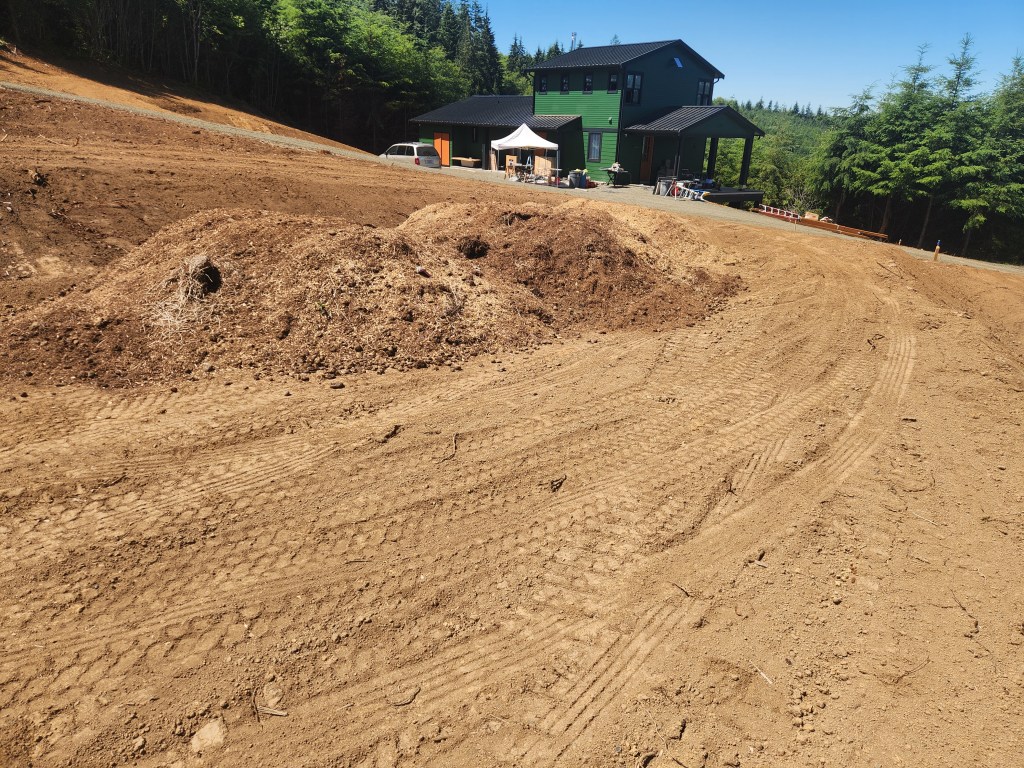
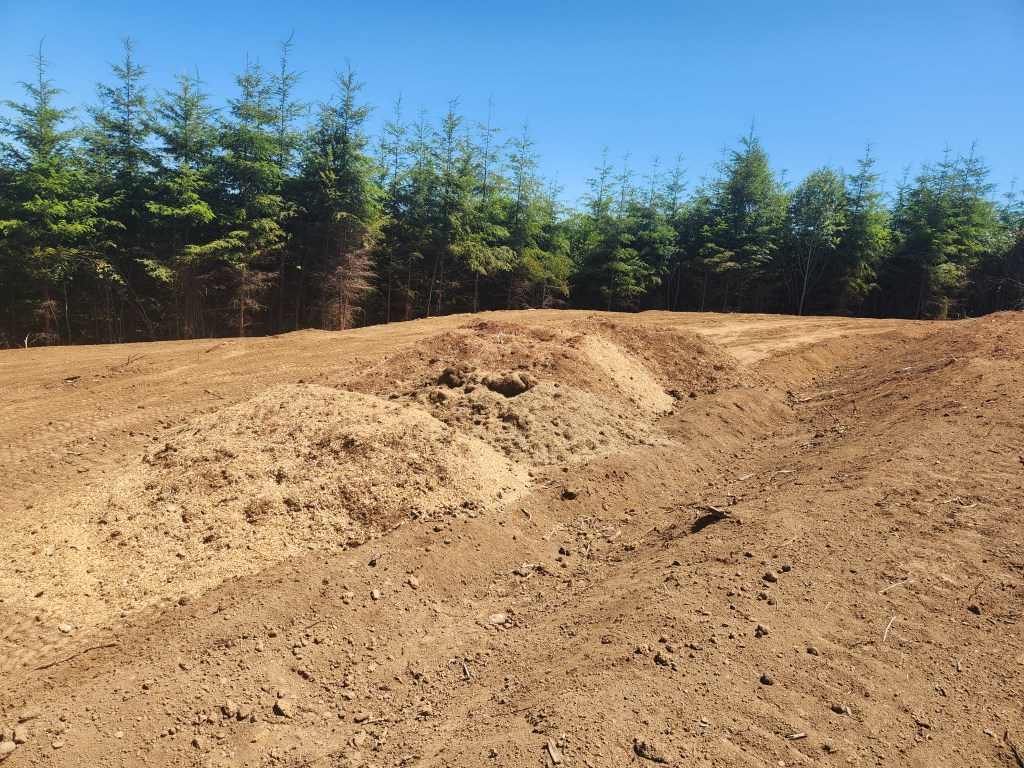
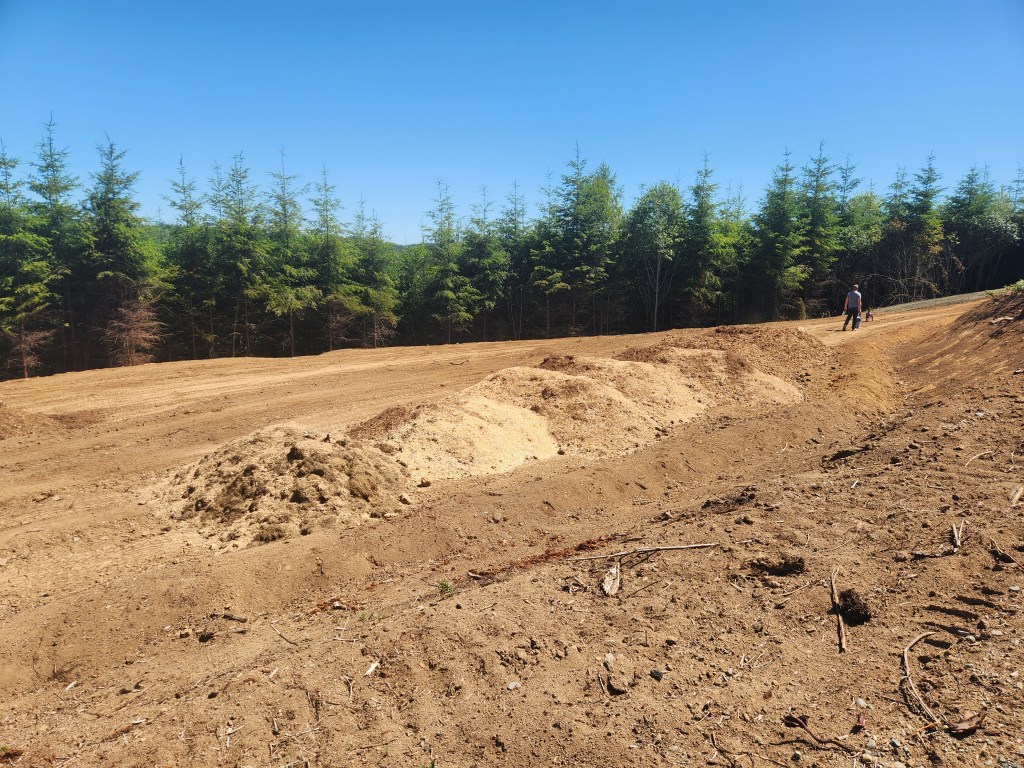
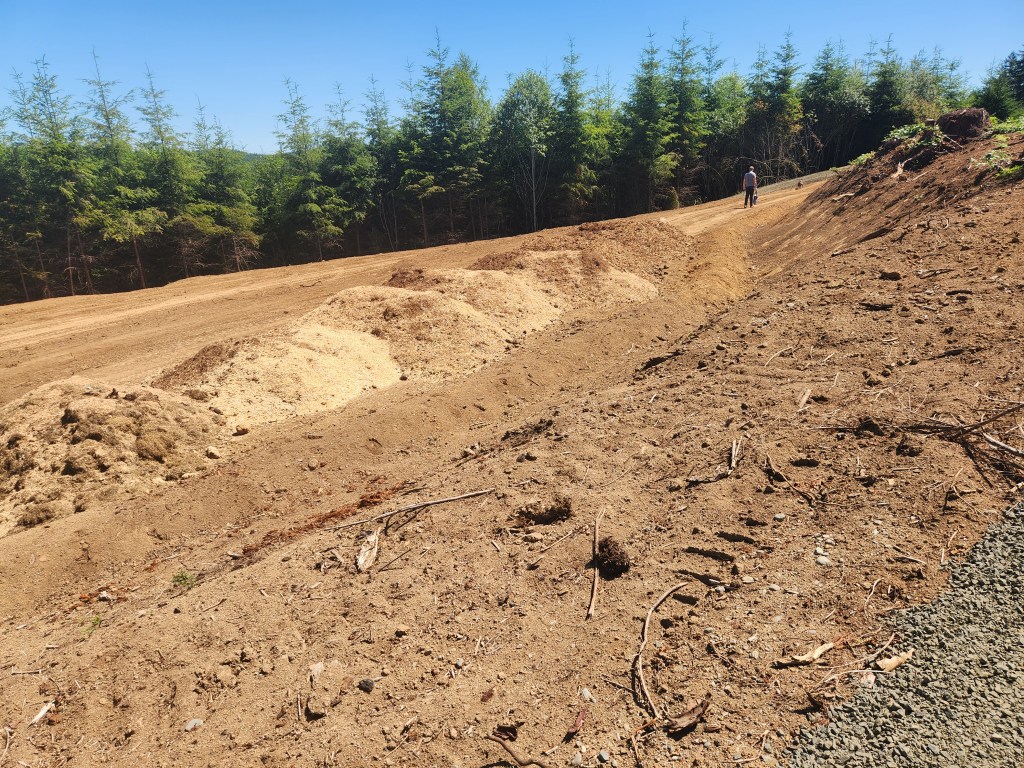
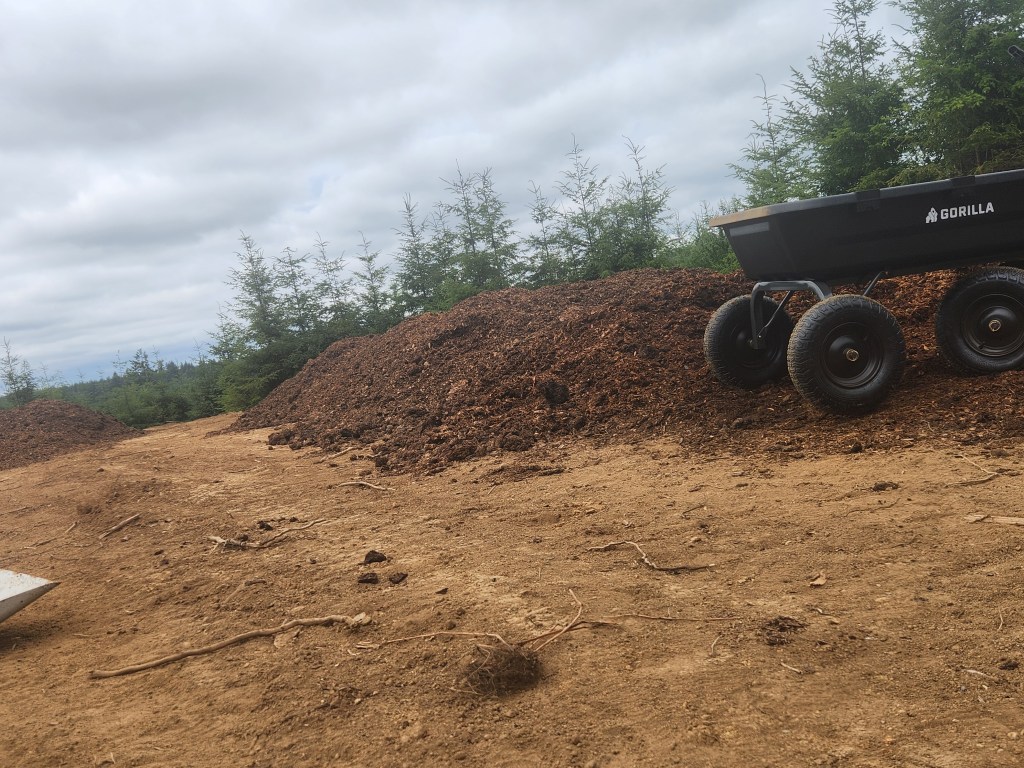
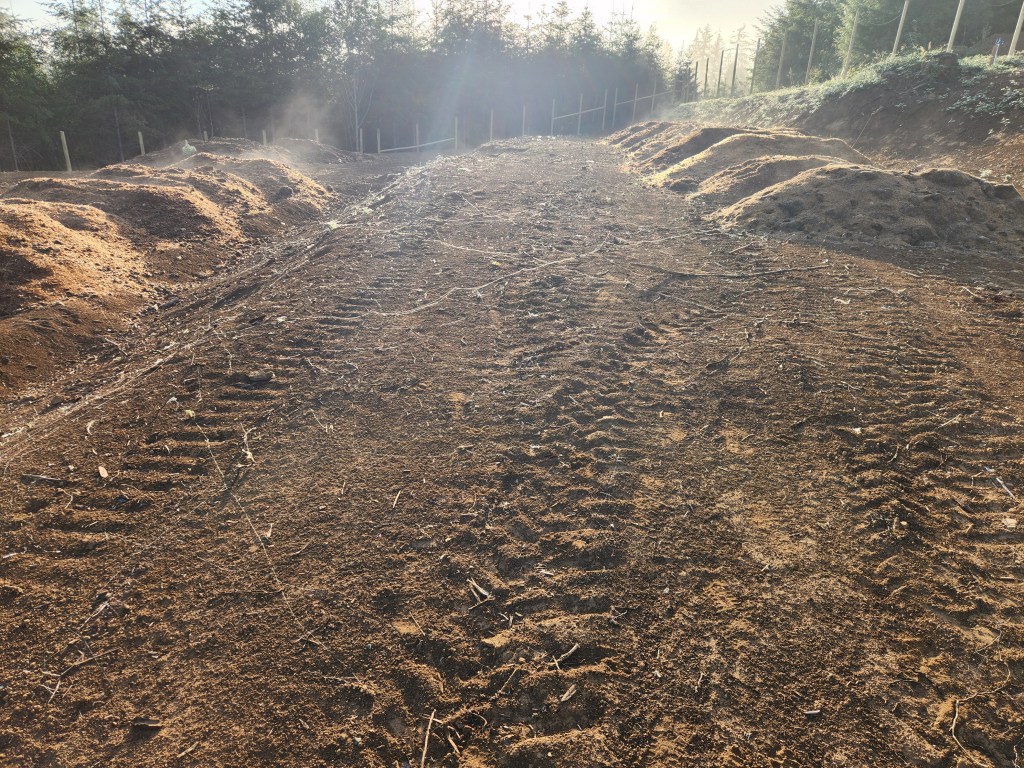
Here’s a few pictures if you want to know what 220 yards of horse manure looks like:


Leave a Reply