NOTE: Mushroom foraging is not for the faint of heart. This is my journey with my risks and is not meant as an absolute guide for anyone. Please be careful before you put foraged mushrooms in your mouth and be ABSOLUTELY certain you have an affirmative ID. This is not intended to give you that level of authority or mastery.
Whether we’re talking choice gourmet mushrooms or the exploration of them as medicine, mushrooms are a big topic of talk with forest owners as a potential second revenue stream and as a solid barometer of forest health. There’s a lot that mushrooms can tell you about your land.
I’ll start with really big basics to get you started:
- There are 3 basic kinds of fungus you should know about as you learn to ID things
- Learn from guides with great pics AND great descriptions (Reccos for our region below)
- Get out and look: go on forays, take pics, work the IDs with Facebook groups in your neck of the woods.
Three Basic Types Fungi
Mushrooms are divided into 4 basic types:
Saprophytic – Decomposers who break apart dead wood. Is your mushroom on a fallen log or something that looks like a dead fall. Chances are it’s a saprophyte. Most of these have specific woods you’ll find them on. Some will colonize nearly anything (I’m looking at you oysters.) Turkey tails are a great example of a saprophytic mushroom. Knowing what different fallen logs look like and basic tree ID skills will help you better understand what your fungus likes to feed on and will better help you ID mushrooms.
Parasitic – These are the mushrooms that (if overly present) in your forest can tell you that something from nutrition to water to pestilence is out of balance. Basically any of the Armillarias in over abundance are a sign your forest is in trouble or going to be in trouble really soon. Note that I say in OVER ABUNDANCE. One tree with a flush of armillaria does not an overabundance make and can be a sign that your forest is supporting a healthy level of biodiversity and that there are good competitors keeping your Armillaria in check.
Mycorrhizal – The lorax of mushrooms. These ones live in harmony with specific species (generally trees). These mushrooms are known to share resources between themselves and even from one tree to another when their mycelium connects multiple trees in its habitate. If you know your local Mycorrhizal fungi and you know the trees they cooperate with you can get to positive IDs much faster. Amanita Gemmata, Aprica, and Pantherinoides all have mycorrhizal relationships with Douglas Fir.
There is a fourth but they’re mutualistic and very hard for me to define and I find these three cover most of what I personally found helpful in learning to ID fungus in a wild setting and they’re what I’ll mostly talk about in the blog moving forward
Guided by the Light
So, there are two kinds of books I recommend for guiding you as an amateur mushroom enthusiast: educational books (These aren’t guides with pictures and bullet points. These teach you about the basics of what mushrooms are and how they exist in the world. I distill some of the knowledge I’ve learned above for you, but if you want detail let books be your guide.) and Guide books.
Educational Books
Any of Paul Stamets’ books are good for a beginner with sufficient curiosity and understanding of scientific jargon. I enjoy his breakdown of terms you’ll need as well anecdotal stories and even his discussion of evidence based outcomes for some of his more scientific research. He’s not perfect and should be read with a healthy level of skepticism like anything (particularly his anecdotes (sometimes presented as evidence).) but his knowledge and ability to make it palatable for a wider audience is pretty spectacular. These books give you a variety of knowledge and introduce you to common terms and structures that will help you in your quest to use guides quickly and most accurately in the field.
Guides
I’m just focusing on how you find a good one here:
- Look for something with good pictures
- If you’re carrying it into the field make sure the form factor is good for traipsing through brush and duff.
- Make sure it is regionally specific. Do not buy a a guide for mushrooms of the Pacific North West if you are in Coastal Carolina!
- Make sure it gives a general description and information about species variation and ANY LOOKALIKES.
- Bonus points: Does it describe types of trees it likes to consume/mycorrhize with? Does it tell you if it comes up as singles or troupes generally?
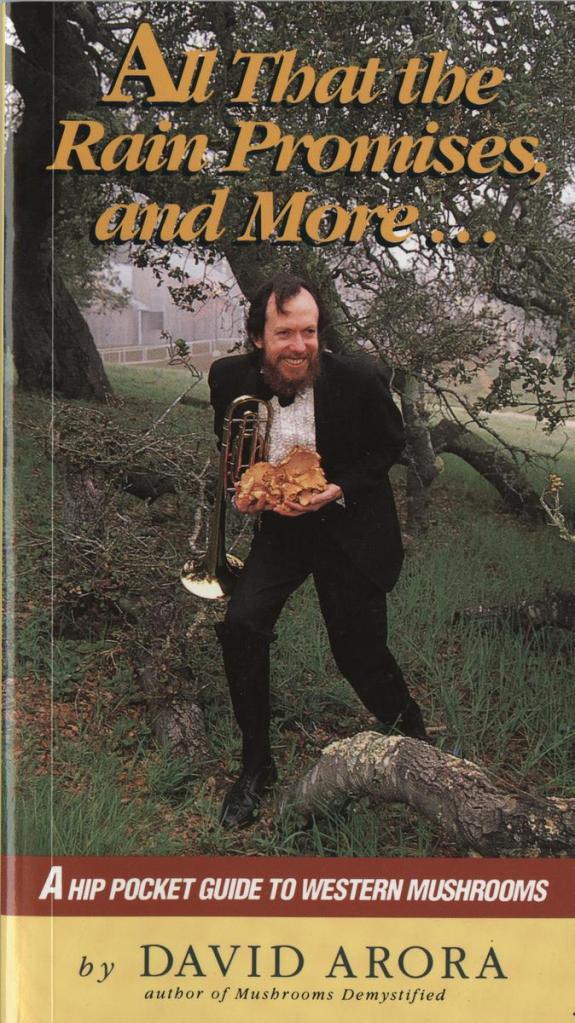
Here are a couple of guides that I own from our region and that are suitable to start you on your journey:
Blaze a Trail
My final piece of advice is get out into the world and look at mushrooms. You need varying level of permission based in where you’re foraging. NEVER trespass on private property. Federal, State and local forests and hiking trails provide varying opportunities and restrictions on foraging. Know before you go and consult the rules before heading out. I would recommend looking for a local group doing mushroom forays for all first timers. There’s no substitute for experience.
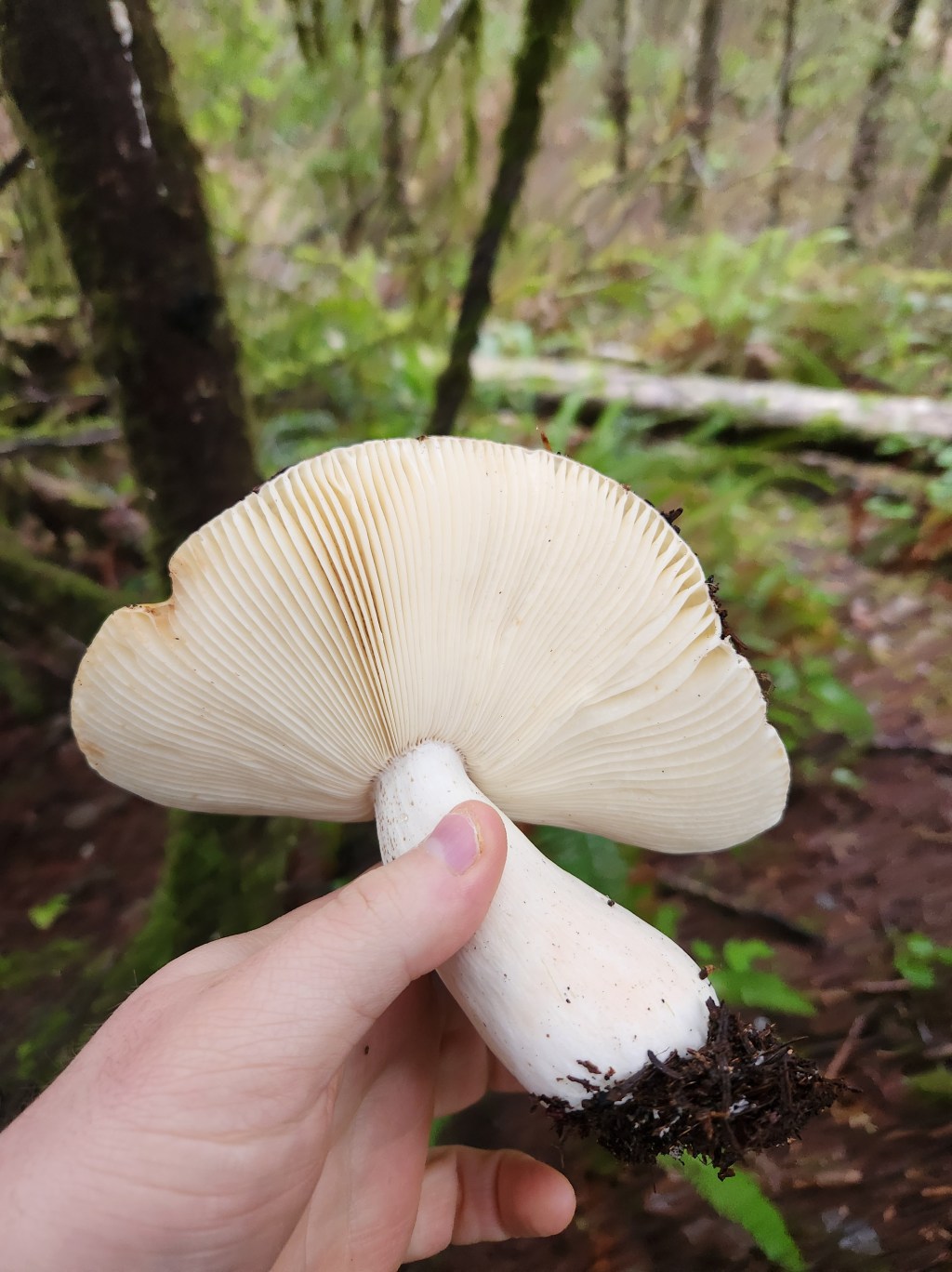
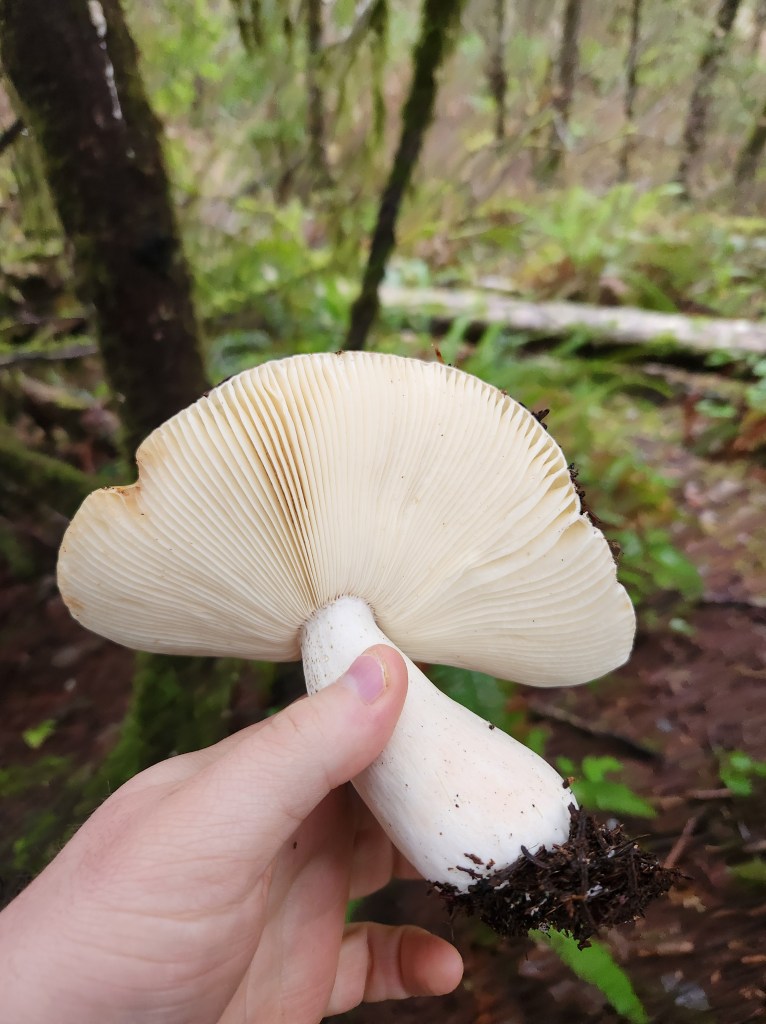
Also, if you’re just getting started I wouldn’t plan on finding edibles. Take your phone. See a mushroom get a pic of the cap, the profile and under its cap.
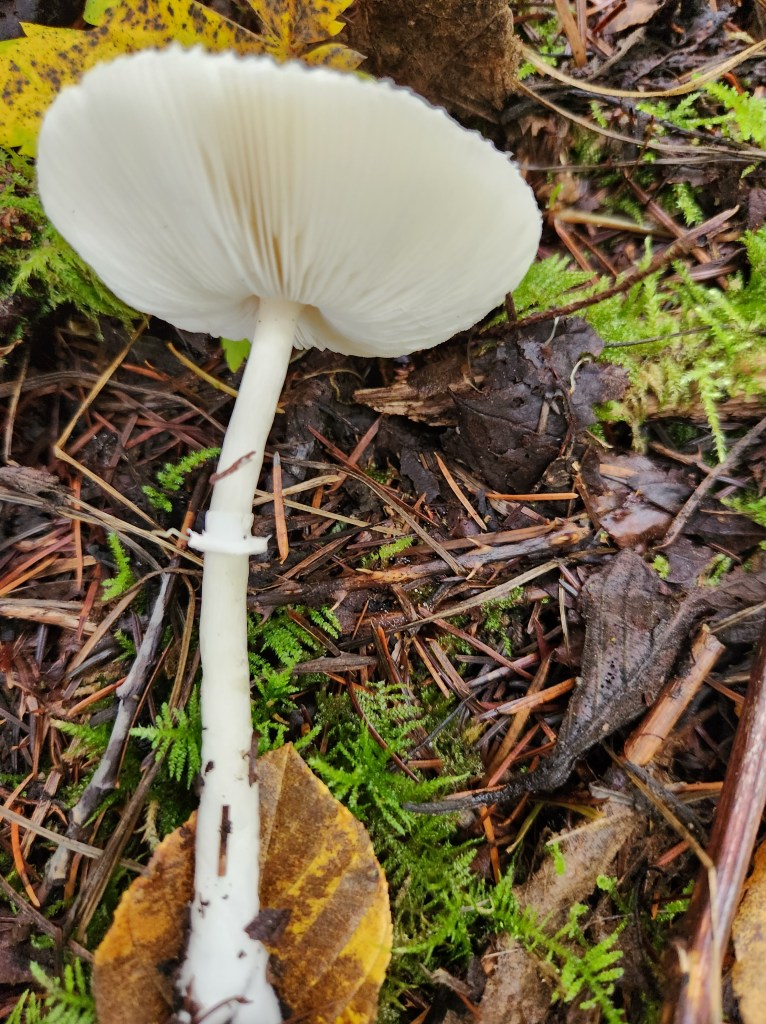
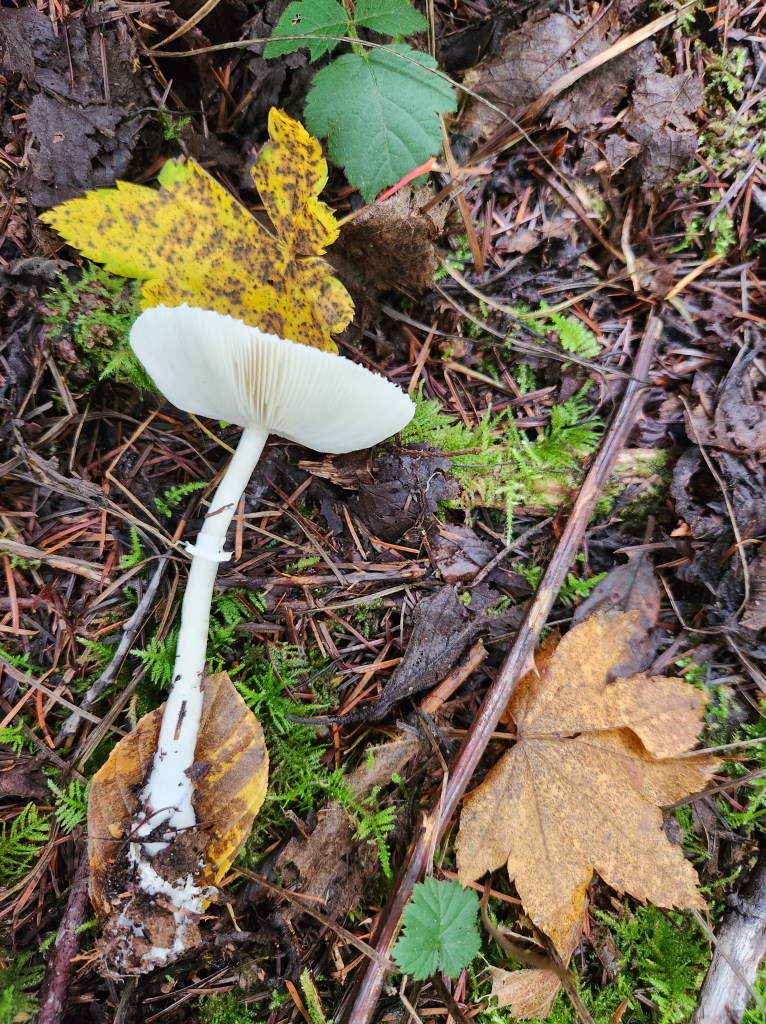
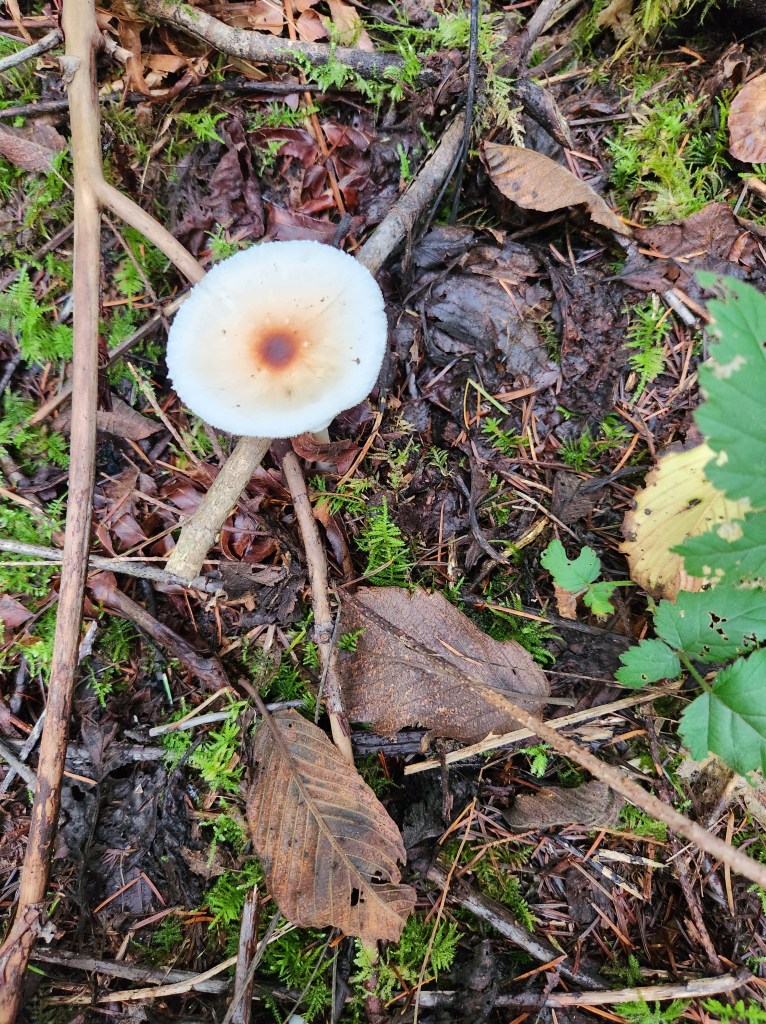
These photos will be helpful for IDing and sending to the many ID FB groups that exist in the world. I recommend finding yours as they’re a great resource for beginners trying to develop confidence in their ID skills.
Good luck. Stay safe. Don’t eat anything that you aren’t 100% sure is edible.

 Olympic Homestead
Leave a reply to lollapaloozatoob7f431ef81 Cancel reply