My husband reads a lot. And he reads really quickly. This means he reads almost everything. During the pandemic while our backyard garden was in full bloom he picked up The Resilient Farm and Homestead by Ben Falk. Dan told me I had to read it. SO…I did.
As someone who grew up with grandparents who farmed and who grew up with a father who was an epically successful gardener, I had never really thought about growing as a system for the people growing the food. The concept of creating zones closer to your base camp for ease of access and the ability to witness seasonal changes in focus, had never really crossed my mind. But then I remembered the two 50′ hoses that my parent’s had spliced together that I had to lug across their enormous lawn just to make sure the garden got watered. Then once a week that had to be rolled back up when I later mowed that acre yard.
While my parent’s never pondered about the nearness of the garden when considering their gardening workload, it’s very much at the top of our minds. A lot of that is because neither my husband nor myself are getting any younger. Part of it is also because we think a lot about how the environment is changing. We also think a lot about how PNW soil is generally very poor and that means we’re going to be building soil and that’s a lot of manual labor building and then hauling dirt. As we consider where to build things on our land and what methods we’ll use to build soil, we want to be very intentional about the choices we’re making around where everything is and how it’s all going to interact.
One way we’re approaching our process is to think about our land’s constraints and advantages.
THE CONSTRAINTS
- Sun: We’re a northerly facing slope which means we have to be intentional about where we’re flattening the hill and how the sun will hit that to maximize our solar load for growing.
- Water: Water flows down hill and while we have a creek running at the bottom of our hill we don’t really want to lug that up.
- Slope: We are heavily forested. We have to be intentional about where we leave tree roots for both soil/hill retention and to shelter our livestock (future ducks and chickens).
- Wildlife: Thar be wild animals on them thar hillz! Lions and bobcats and bears. FUCK, NO! (We’ll get into this in another post later on.)
- Soil: We have soft topsoil but the ground beneath is solid red clay. We could make pots as a side business.
THE ADVANTAGES
- Size: We have 40 Acres. We have space to build a pond for rainwater collection for water our garden. We have the space to build an orchard. Space will rarely be a limitation.
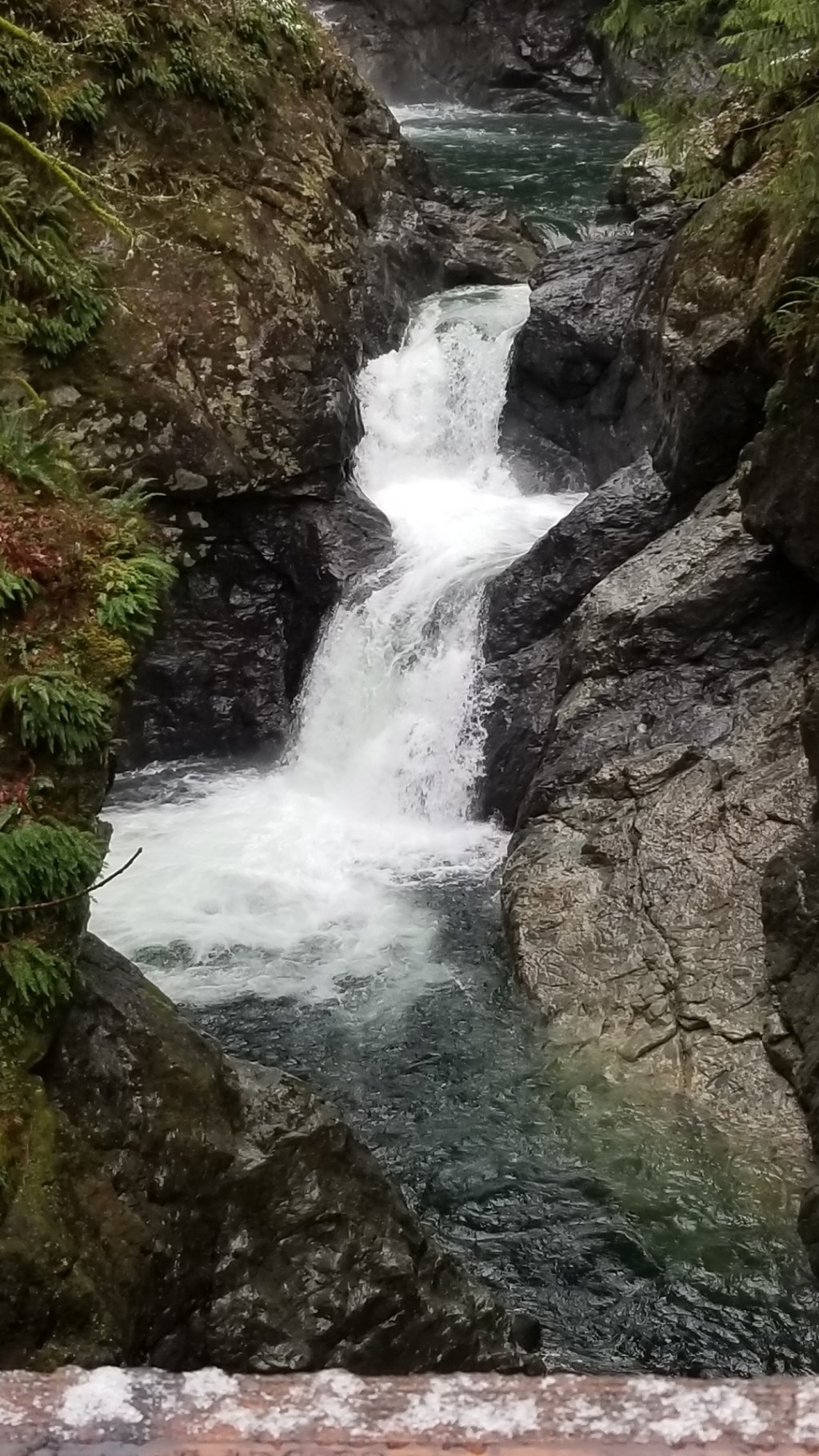
- Water: We live in the part of the PNW that gets ample water.
- Mycology: We have edible wild mushrooms that flush in the fall. More on foraging mushrooms in a coming post this next fall.
- Foraging: We have other choice edibles on the property: salmon berries, red huckleberries, red elderberries, all 3 types of blackberries of the region and my favorite thimbleberries.
- The View from the Top: We have a view of hundreds of acres of forest.
Regardless of what happens next, these are the things we’re considering as we plan out what to do next with our homestead. I’m hopeful we can overcome the challenges. We have a few ideas about what to do, but before we get too concrete on these, we’re trying to get the house in place. So basically, this is the list of what keeps me up at night and what made us/me (I prefer to only speak for myself and my part in the decision) choose this plot.


Leave a Reply